
🚀 Why Most Spring Boot Microservices Fail
(and What I Learned Building Them)

When I started working with microservices using Spring Boot, I thought breaking a monolith into smaller services would automatically make the system scalable and clean.
Reality hit differently.
After working on real production systems (especially in inventory and event-driven setups), I realized that microservices don’t fail because of code—they fail because of design decisions.
Let me share a few lessons I learned the hard way.
1. Microservices ≠ Smaller Monoliths
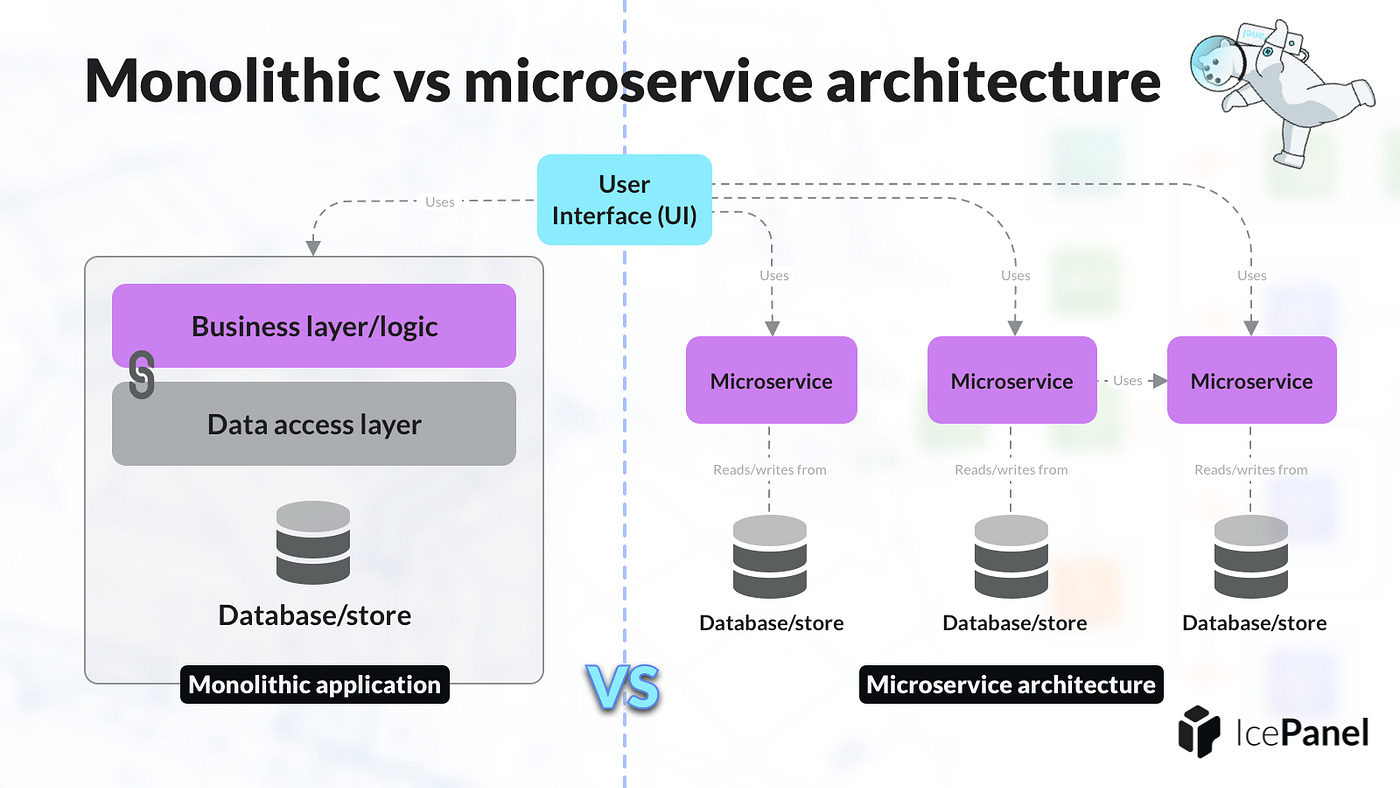
One of the biggest mistakes I made early on was splitting services based on layers instead of business domains.
Example:
User Service
Order Service
Payment Service
Sounds good, right?
But internally, they were still tightly coupled.
👉 The fix:
Think in terms of business capabilities, not technical separation.
A good microservice should:
Own its data
Handle its logic independently
Avoid calling other services for every request
2. Database Sharing is a Silent Killer
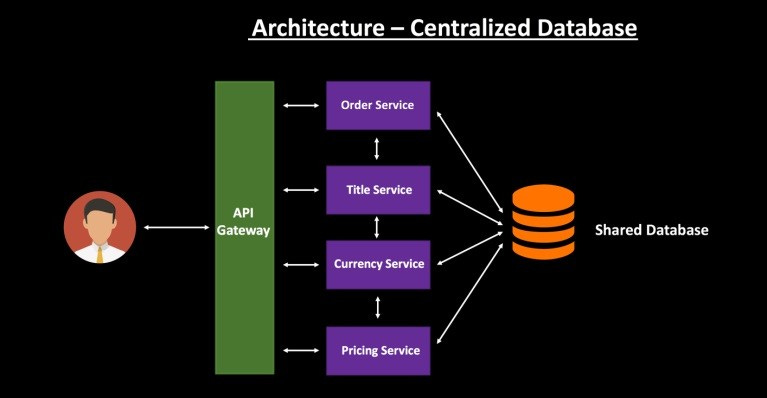
In one project, multiple services were connected to the same database.
It worked… until it didn’t.
Problems I saw:
Tight coupling between services
Deployment issues
Unexpected data breaks
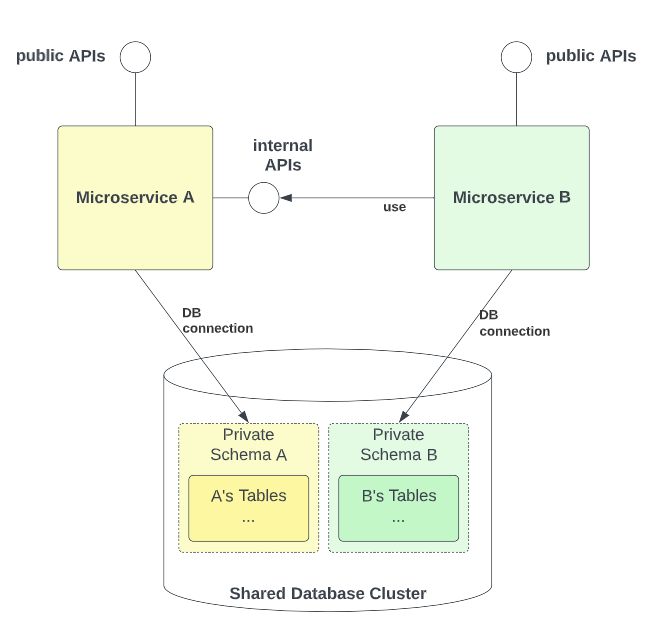
👉 What worked better:
Each service having its own database.
Yes, it adds complexity.
But it gives you:
True independence
Better scalability
Safer deployments
3. Synchronous Calls Will Slow You Down
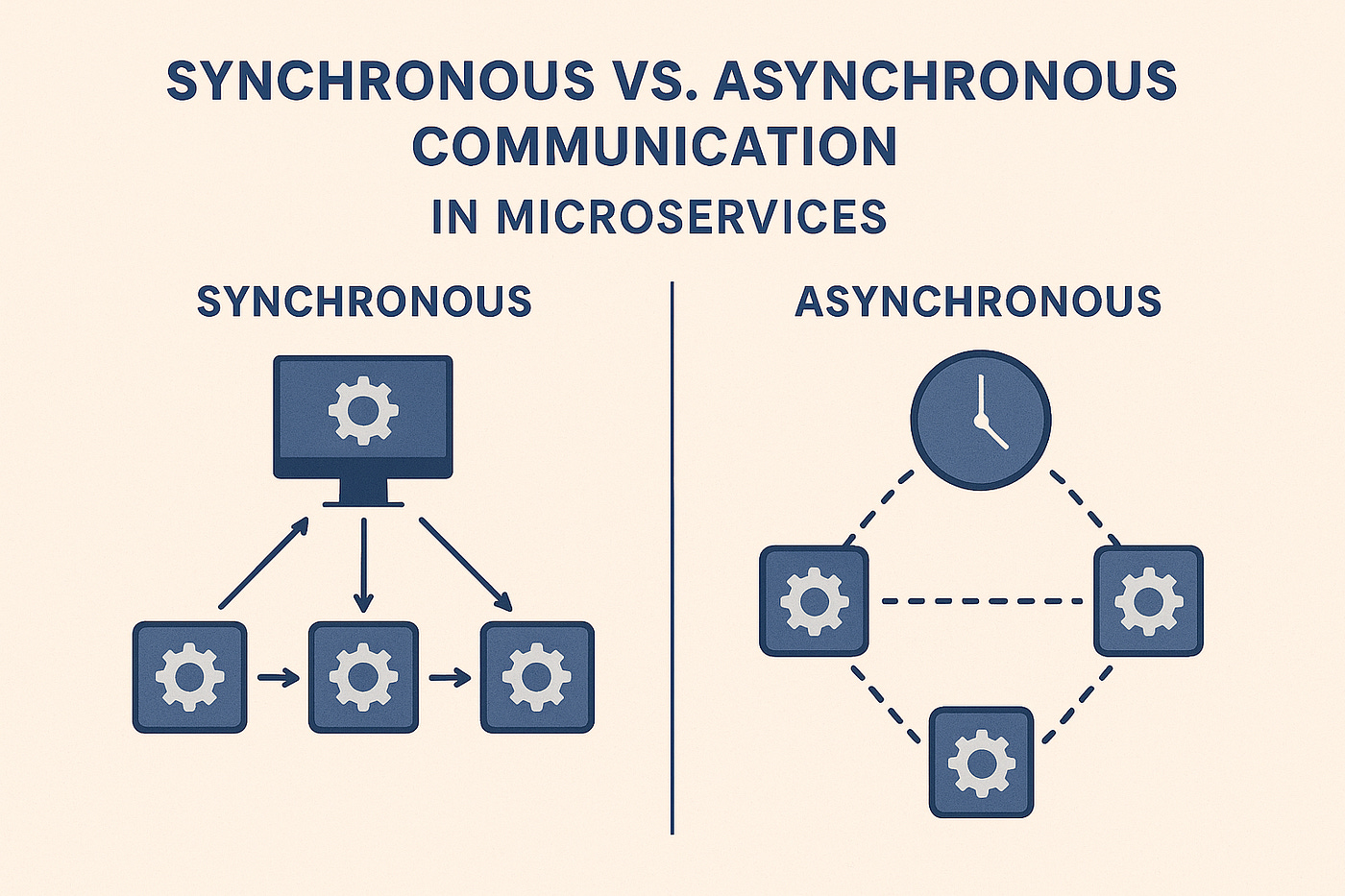
Initially, I used REST calls between services for everything.
Order → Payment → Inventory → Notification
This chain caused:
High latency
Cascading failures
Hard debugging
👉 What changed things:
Using event-driven architecture with Kafka
Now flow looks like:
Order created → event published
Inventory + Payment consume asynchronously
Result:
Faster system
Better fault tolerance
Loose coupling
4. Logging & Debugging Becomes a Nightmare Without Planning
In monoliths, debugging is easy.
In microservices, it’s chaos if you don’t plan.
Issues I faced:
Logs scattered across services
No request traceability
👉 What helped:
Centralized logging
Correlation IDs
Structured logs
Trust me, without this, production debugging = headache.
5. Too Many Microservices is Also a Problem
At one point, we had too many small services.
It looked “cool” but:
Increased deployment overhead
More network calls
Harder maintenance
👉 Lesson:
Don’t over-engineer.
Sometimes:
A well-structured monolith > poorly designed microservices
6. Spring Boot Makes It Easy… Maybe Too Easy
Spring Boot is powerful:
Auto-configuration
Starter dependencies
Quick setup
But that also means:
👉 You can create bad services very fast.
What I learned:
Understand what’s happening under the hood
Don’t blindly use annotations
Be intentional with configs
Microservices are not a silver bullet.
They work well when:
Your system is complex enough
Your team is ready for it
You understand distributed system challenges
Otherwise, you’ll just end up with:
A distributed monolith (the worst of both worlds)
Before creating a new service, I ask:
Does it solve a clear business problem?
Can it run independently?
Does it reduce coupling or increase it?
If not, I don’t create it.
Follow and subscribe me for interesting post like this → Java Monk